
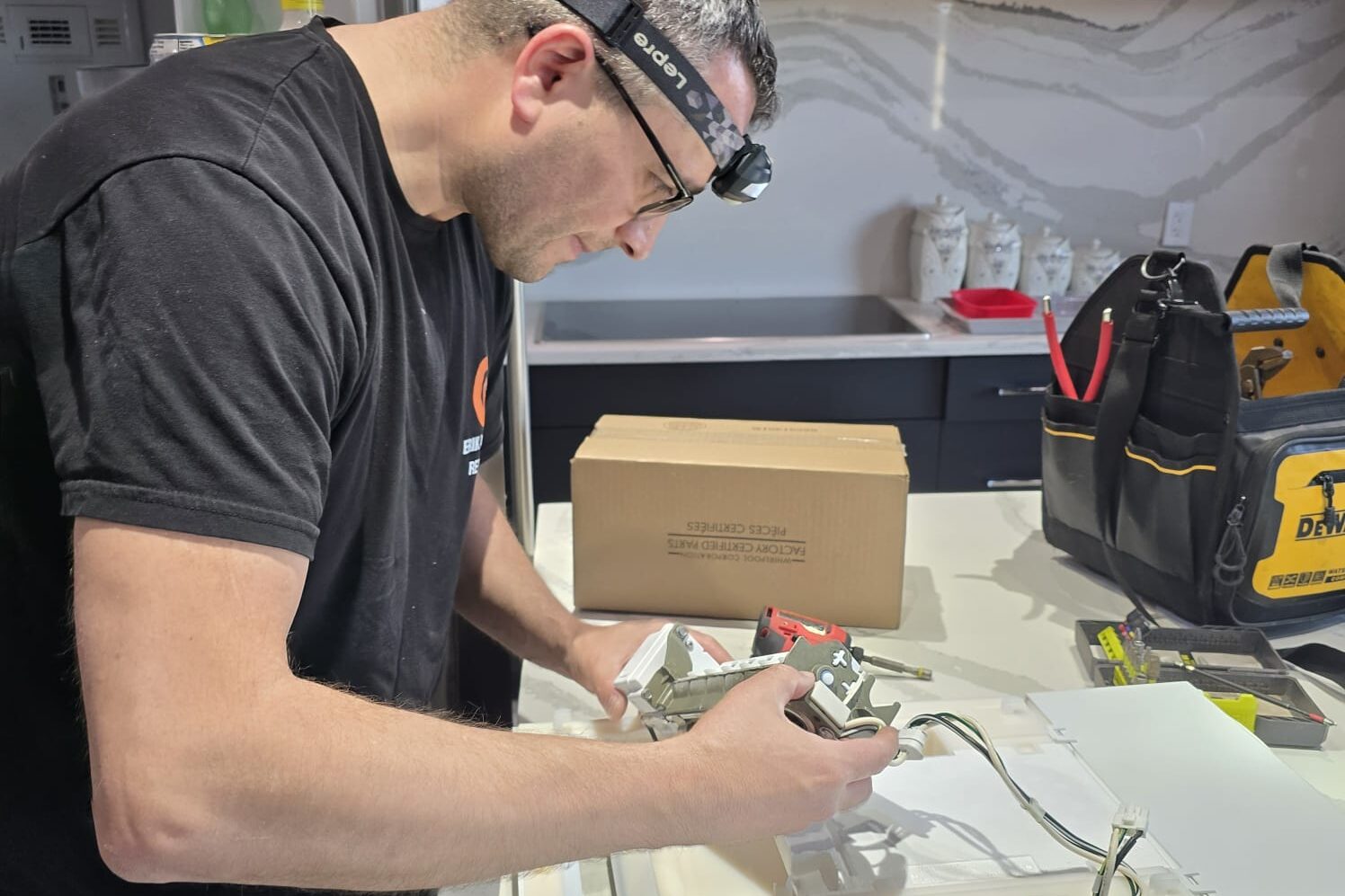
A refrigerator that is not cooling properly can become a serious problem fast. Food may spoil, drinks may stay warm, and the freezer may stop keeping items frozen. In many homes, the fridge is one of the most important appliances because it runs all day and protects the food your family uses every day.
If your refrigerator feels warm, runs too often, makes strange noises, or does not keep a steady temperature, something inside the appliance may need attention. Some problems are simple, while others need help from a refrigerator technician.
This guide explains the most common reasons a refrigerator stops cooling properly. It also helps you understand when it may be time to book refrigerator repair in Edmonton.
Table of Contents
Common Signs Your Refrigerator Is Not Cooling Properly
A cooling problem does not always mean the fridge has stopped working completely. Sometimes the warning signs start small. You may notice that milk spoils faster than usual, vegetables feel soft, or the freezer does not make ice like it should.
Other signs can include warm air inside the fridge, frost buildup in the freezer, water leaking inside the appliance, or the fridge running for long periods without stopping. You may also hear clicking, buzzing, rattling, or humming sounds that were not there before.
Check the Temperature Settings First
Before assuming something is broken, check the temperature setting. Sometimes the dial or digital control gets changed by accident. This can happen when food touches the control panel or when someone adjusts it without noticing.
After adjusting the setting, give the refrigerator several hours to respond. If the temperature does not improve, there may be a deeper problem. In that case, refrigerator repair service may be needed.
The Door Seal May Be Loose or Damaged
The door seal, also called a gasket, helps keep cold air inside the refrigerator. If the seal is cracked, dirty, loose, or not closing tightly, cold air can escape. When this happens, the fridge has to work harder to stay cool.
A weak seal can also cause moisture buildup, frost, or higher energy use. You may notice that the door does not close smoothly or that it opens too easily. In some cases, food near the door may feel warmer than food near the back of the fridge.
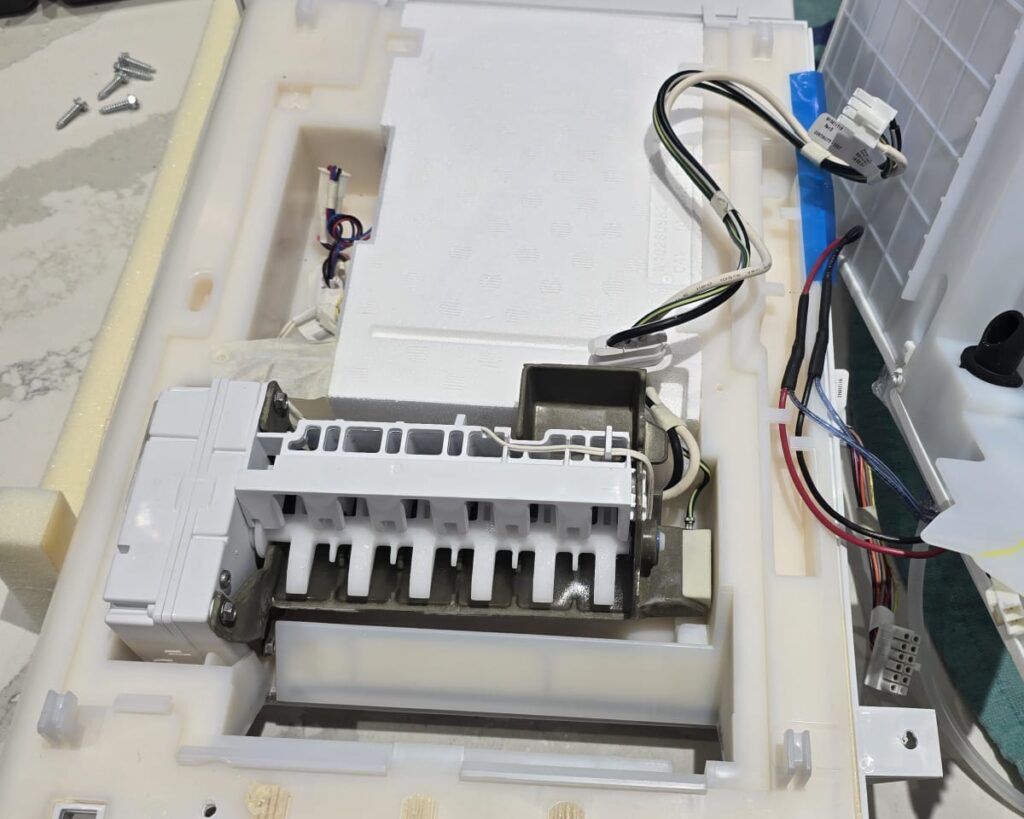
Dirty Condenser Coils Can Reduce Cooling
Condenser coils help release heat from the refrigerator. These coils are often located behind or under the fridge. Over time, they can collect dust, pet hair, grease, and dirt.
Dirty coils are a common reason for weak cooling. They can also place extra stress on important parts. If the coils are hard to reach or the fridge still does not cool after cleaning, it is best to call a refrigerator repairman for a proper inspection.
Blocked Air Vents Can Stop Cold Airflow
Cold air needs to move through the refrigerator and freezer sections. If the air vents are blocked by food containers, bags, or large items, the fridge may not cool evenly.
Try keeping food a little away from the vents. Do not pack the refrigerator too tightly. If airflow still feels weak, there may be a fan or control problem that needs refrigerator repair.
The Evaporator Fan May Not Be Working
The evaporator fan moves cold air from the freezer area into the refrigerator section. If this fan stops working, the freezer may stay cold while the fridge becomes warm.
You may notice that the refrigerator section is not cooling, but frozen food is still mostly okay. You might also hear a strange noise from the freezer area, or no fan sound at all when the fridge is running.
The Condenser Fan Could Be Failing
Some refrigerators have a condenser fan near the compressor and condenser coils. This fan helps move air over the coils so heat can leave the appliance.
This type of issue should not be ignored. A failing condenser fan can affect other parts of the refrigerator. A refrigerator fridge repair service can inspect the fan, clean the area, and check if the motor is working correctly.
Frost Buildup Can Point to a Defrost Problem
Frost inside the freezer may look normal at first, but heavy frost buildup can be a warning sign. Modern refrigerators use a defrost system to prevent too much ice from forming around the evaporator coils.
If the defrost heater, timer, sensor, or control board fails, frost can build up and block airflow. When cold air cannot move properly, the refrigerator section may become warm.
You may see ice on the back wall of the freezer or notice that the freezer is cold but the fridge is not. This is a common reason people call for refrigerator repair in Edmonton. A technician can test the defrost system and find which part is causing the issue.
The Thermostat or Temperature Sensor May Be Faulty
The thermostat or temperature sensor tells the refrigerator when to cool. If it is not reading the temperature correctly, the fridge may not turn on at the right time.
A faulty sensor or thermostat should be checked by a refrigerator repairman. The technician can test the part and confirm whether it is sending the right signal to the cooling system.
The Compressor May Be Having Trouble
The compressor is one of the most important parts of the refrigerator. It helps move refrigerant through the cooling system. If the compressor is weak or not starting properly, the fridge may not cool enough.
A compressor problem can cause clicking sounds, warm temperatures, or a fridge that runs but does not cool. Sometimes the issue is not the compressor itself but a start relay, overload part, or electrical component connected to it.
The Refrigerator May Be Too Full
A refrigerator needs space for air to move. If it is packed too tightly, cold air may not reach every shelf. This can make some food items warm even when the cooling system is working.
Too much food can also block vents and make the appliance work harder. On the other hand, a nearly empty fridge may also have trouble holding a steady temperature because there is less cold mass inside.
The Fridge Location Can Affect Cooling
Where your refrigerator sits can affect how well it cools. If the appliance is too close to a wall, stove, heater, or direct sunlight, it may have trouble releasing heat.
A fridge also needs space around it for airflow. If there is not enough room behind or beside the appliance, the motor and coils may get too hot. This can reduce cooling performance and make the fridge run longer than normal.
When Should You Call a Refrigerator Technician?
You should call a refrigerator technician if the fridge stays warm after checking the settings, door seal, and airflow. You should also get help if you notice loud noises, heavy frost, leaks, burning smells, or a fridge that keeps turning on and off.
We provide refrigerator repair in Edmonton for common fridge cooling problems. Whether the issue is with the fan, thermostat, coils, defrost system, or another part, a proper inspection can help you understand what is wrong.
If your refrigerator is not cooling properly, it is better to have it checked before it stops working completely. A skilled refrigerator repairman can find the source of the issue and explain the best next step.
Final Thoughts
A refrigerator may stop cooling properly for many reasons. The problem could be as simple as a blocked vent or dirty coils. It could also be caused by a faulty fan, bad thermostat, defrost issue, weak door seal, or compressor-related problem.
The most important step is to pay attention to the warning signs. Warm food, strange noises, frost buildup, leaks, and constant running all mean the fridge needs attention.
If you need refrigerator repair in Edmonton, Erik Appliance Repairman can help. Our refrigerator technician can inspect your appliance, explain the problem in clear language, and provide the right repair solution for your home.
Call now and schedule a service.