
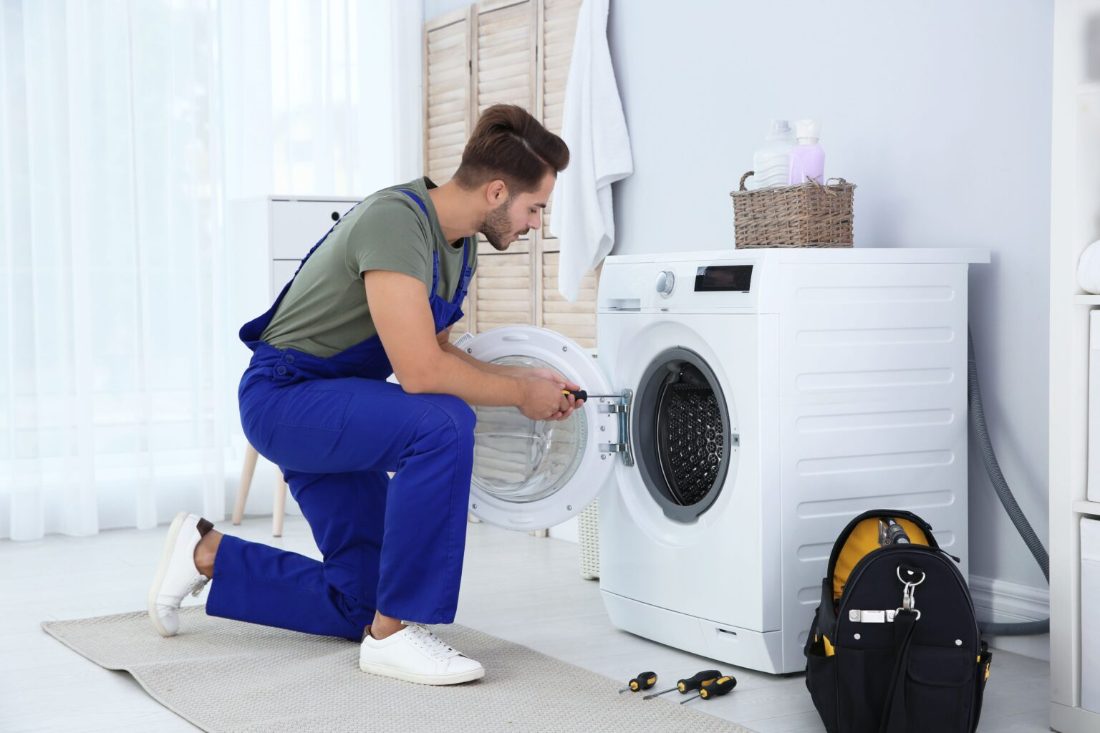
Reliable WasherRepair in Edmonton.
A washer that will not drain, spin, fill, or finish a cycle can leave a household with wet laundry and a growing backlog. Erik Appliance Repairman provides residential washer and washing machine repair in Edmonton for leaks, unusual noise, door-lock trouble, error codes, and poor wash performance. Our washer service in Edmonton starts with the symptoms and the specific model rather than assuming that one familiar part is always at fault. We explain the diagnosis and proposed work before a repair goes ahead. If water is escaping or you need the machine back quickly, call to ask about the earliest available appointment; same-day service depends on availability. You can also book a visit online.
Common washer problems we diagnose
Washer symptoms often overlap. A load that ends dripping wet may point to the drain path, an unbalanced drum, a cycle setting, or a part that needs testing. A visible leak might come from a hose, door seal, dispenser, or nearby plumbing. These eight patterns help you describe the problem accurately and make a few safe, useful observations before a technician arrives. Stop using a machine that is flooding, smoking, repeatedly tripping a breaker, or making a new severe mechanical noise.
Standing water at the end of a cycle is an important clue, but it does not identify the failed part by itself. Check whether the cycle has actually finished and whether the display shows an error code. If the machine offers a drain or drain-and-spin program, note what happens when you select it. A kinked drain hose, blocked household standpipe, overloaded pump filter on a model with a user-accessible filter, or excessive detergent suds can interfere with drainage. Pump, sensor, wiring, and control faults are other possibilities that require diagnosis.
Do not force open a front-load door while water is visible behind it. If you can see water leaking onto the floor, stop the cycle and shut off the water supply when it is safe to do so. The technician can follow the drain path, verify that the pump is being commanded on, and test the relevant parts instead of replacing a pump on guesswork. Tell us whether the machine hums, whether water moves at all, and whether a plumbing drain is backing up.
First separate a drainage problem from a spin problem: is water left in the tub, or is the tub empty while the clothing remains unusually wet? A delicate or low-spin setting intentionally removes less water than a faster cycle. One heavy blanket, an overloaded drum, or a load bunched on one side may cause the washer to reduce or stop spin to protect itself. You can redistribute a load and select a suitable spin program in line with the garment and appliance instructions.
If the washer still refuses to spin with a balanced load, note whether it attempts to accelerate, clicks at the lock, or displays an error. Depending on the design, a door or lid lock, suspension, drive components, drain restriction, sensor, or control fault may be involved. Continuing to run a washer that bangs hard against the cabinet can make an existing issue worse. A model-specific inspection can distinguish a simple loading issue from a repairable component fault.
Where and when water appears matters. A front-load door may drip because debris is caught between the glass and gasket, while a torn or distorted gasket needs a different solution. Water near the back may come from a supply hose, connection, tap, or household drain. A puddle during filling, washing, or draining points the inspection in different directions. If the floor is wet, stop the machine, keep clear of wet electrical equipment, and shut off the washer's supply taps if you can reach them safely.
After the area is safe, note the first place the water appears and take a photo if that helps. Avoid pulling out a stacked or heavy washer to investigate an inaccessible connection yourself. Overfilling, excess suds, a dispenser blockage, a loose filter cap on some models, and internal hoses can all imitate a more serious leak. We trace the source before recommending a seal, hose, valve, or other repair. A leak from a wall connection or drain may need a plumbing professional rather than an appliance part.
Washer does not fill, fills slowly, or uses the wrong water temperature
If a cycle starts but little or no water enters, check that the household supply taps are open and that other fixtures have water. Listen for the normal fill sound and note whether the display shows a code. A kinked inlet hose, obstructed inlet screen, low household pressure, failed water valve, or a control issue can produce similar symptoms. Some high-efficiency washers use a smaller visible amount of water by design, so the amount seen through the door is not always a fault.
If clothes are not washing as expected or the water temperature seems wrong, record the selected cycle and temperature. Some cycles deliberately blend hot and cold water, while a reversed or unavailable supply can affect performance. Do not disconnect a pressurized hose or open electrical panels to experiment. The technician can confirm water supply conditions, check the model's fill behavior, and test the inlet and sensing system. If a supply tap or building plumbing is the source, we can explain that distinction.
A washer may appear dead because of a tripped household circuit, a disconnected plug, a selected control-lock option, an open door, or a delayed-start setting. Check the visible controls and the appliance's user guide first. A front-load door is designed to remain locked while the drum moves, while water is present, or while a hot cycle cools. Never pull the handle hard, pry the lock, or try to bypass a safety interlock.
If the machine has power but will not begin, tell us whether the panel lights up, whether the latch clicks, and whether a code appears. If it stopped with laundry trapped inside, note whether the drum contains water; the correct safe sequence may be a model-specific drain cycle. A door switch, lid lock, power supply, wiring, or control issue may need testing. If a breaker trips again after it is reset, leave the washer off and arrange qualified help rather than repeatedly restarting it.
Some movement and changing sound are normal as a washer balances a load, but repeated hard impacts, metal-like scraping, or a new grinding sound deserve attention. First check whether one bulky item is throwing the load off balance, whether the washer is visibly level, and whether the sound occurs during wash, drain, or high-speed spin. A machine that walks across the floor should not be left to run unattended. Keep hands away from a moving drum and do not remove panels while it is powered.
Vibration can involve loading, levelling, shipping hardware left in place after installation, worn suspension parts, or floor conditions. A grinding or rumbling noise may instead point to a pump obstruction or drive-related wear. The distinction matters: a minor adjustment is different from a bearing or tub repair, which may have a different cost-benefit outcome. Record a short video of the sound if it can be captured safely; it may help the technician reproduce an intermittent problem.
An error code is useful information, but its meaning depends on the manufacturer and model. Write down the exact letters and numbers rather than searching a similar-looking code from another brand. Note which stage fails: filling, washing, draining, spinning, or unlocking. A long pause can sometimes be part of a balance or suds-management routine; a cycle that never completes or repeatedly returns to the same stage needs closer inspection.
The cause could be a water supply or drain condition, an unbalanced load, a sensor, a door lock, or an electronic fault. Repeatedly clearing the code without addressing the cause can hide a useful diagnostic clue. If a leak, burning smell, or recurring electrical trip accompanies the error, stop using the appliance. Bring the model number and a photo of the code to the booking so we can prepare for the specific platform and explain what testing is required.
Poor wash results can begin with routine choices: an overpacked drum, an unsuitable cycle, too much or too little detergent, or a dispenser that needs cleaning. High-efficiency machines usually require detergent and dosing appropriate to the model. A buildup of suds can disrupt rinsing and spinning as well as leave residue. Follow the owner's guide for a cleaning cycle and for cleaning any user-accessible dispenser, gasket, or filter. Do not mix cleaning chemicals or put household drain cleaner in the washer.
If the problem continues with correct loading and detergent, record whether water enters, heats when expected, drains, and spins normally. A persistent odour may relate to trapped water or a drainage issue; consistently dirty clothing may involve inadequate agitation, circulation, temperature, or cycle completion. We can assess the wash system and explain whether the issue is maintenance, a household supply condition, or a repairable appliance fault. This avoids paying for an unnecessary part when a usage or installation issue is the real cause.
Standing water at the end of a cycle is an important clue, but it does not identify the failed part by itself. Check whether the cycle has actually finished and whether the display shows an error code. If the machine offers a drain or drain-and-spin program, note what happens when you select it. A kinked drain hose, blocked household standpipe, overloaded pump filter on a model with a user-accessible filter, or excessive detergent suds can interfere with drainage. Pump, sensor, wiring, and control faults are other possibilities that require diagnosis.
Do not force open a front-load door while water is visible behind it. If you can see water leaking onto the floor, stop the cycle and shut off the water supply when it is safe to do so. The technician can follow the drain path, verify that the pump is being commanded on, and test the relevant parts instead of replacing a pump on guesswork. Tell us whether the machine hums, whether water moves at all, and whether a plumbing drain is backing up.
First separate a drainage problem from a spin problem: is water left in the tub, or is the tub empty while the clothing remains unusually wet? A delicate or low-spin setting intentionally removes less water than a faster cycle. One heavy blanket, an overloaded drum, or a load bunched on one side may cause the washer to reduce or stop spin to protect itself. You can redistribute a load and select a suitable spin program in line with the garment and appliance instructions.
If the washer still refuses to spin with a balanced load, note whether it attempts to accelerate, clicks at the lock, or displays an error. Depending on the design, a door or lid lock, suspension, drive components, drain restriction, sensor, or control fault may be involved. Continuing to run a washer that bangs hard against the cabinet can make an existing issue worse. A model-specific inspection can distinguish a simple loading issue from a repairable component fault.
Where and when water appears matters. A front-load door may drip because debris is caught between the glass and gasket, while a torn or distorted gasket needs a different solution. Water near the back may come from a supply hose, connection, tap, or household drain. A puddle during filling, washing, or draining points the inspection in different directions. If the floor is wet, stop the machine, keep clear of wet electrical equipment, and shut off the washer's supply taps if you can reach them safely.
After the area is safe, note the first place the water appears and take a photo if that helps. Avoid pulling out a stacked or heavy washer to investigate an inaccessible connection yourself. Overfilling, excess suds, a dispenser blockage, a loose filter cap on some models, and internal hoses can all imitate a more serious leak. We trace the source before recommending a seal, hose, valve, or other repair. A leak from a wall connection or drain may need a plumbing professional rather than an appliance part.
If a cycle starts but little or no water enters, check that the household supply taps are open and that other fixtures have water. Listen for the normal fill sound and note whether the display shows a code. A kinked inlet hose, obstructed inlet screen, low household pressure, failed water valve, or a control issue can produce similar symptoms. Some high-efficiency washers use a smaller visible amount of water by design, so the amount seen through the door is not always a fault.
If clothes are not washing as expected or the water temperature seems wrong, record the selected cycle and temperature. Some cycles deliberately blend hot and cold water, while a reversed or unavailable supply can affect performance. Do not disconnect a pressurized hose or open electrical panels to experiment. The technician can confirm water supply conditions, check the model's fill behavior, and test the inlet and sensing system. If a supply tap or building plumbing is the source, we can explain that distinction.
A washer may appear dead because of a tripped household circuit, a disconnected plug, a selected control-lock option, an open door, or a delayed-start setting. Check the visible controls and the appliance's user guide first. A front-load door is designed to remain locked while the drum moves, while water is present, or while a hot cycle cools. Never pull the handle hard, pry the lock, or try to bypass a safety interlock.
If the machine has power but will not begin, tell us whether the panel lights up, whether the latch clicks, and whether a code appears. If it stopped with laundry trapped inside, note whether the drum contains water; the correct safe sequence may be a model-specific drain cycle. A door switch, lid lock, power supply, wiring, or control issue may need testing. If a breaker trips again after it is reset, leave the washer off and arrange qualified help rather than repeatedly restarting it.
Some movement and changing sound are normal as a washer balances a load, but repeated hard impacts, metal-like scraping, or a new grinding sound deserve attention. First check whether one bulky item is throwing the load off balance, whether the washer is visibly level, and whether the sound occurs during wash, drain, or high-speed spin. A machine that walks across the floor should not be left to run unattended. Keep hands away from a moving drum and do not remove panels while it is powered.
Vibration can involve loading, levelling, shipping hardware left in place after installation, worn suspension parts, or floor conditions. A grinding or rumbling noise may instead point to a pump obstruction or drive-related wear. The distinction matters: a minor adjustment is different from a bearing or tub repair, which may have a different cost-benefit outcome. Record a short video of the sound if it can be captured safely; it may help the technician reproduce an intermittent problem.
An error code is useful information, but its meaning depends on the manufacturer and model. Write down the exact letters and numbers rather than searching a similar-looking code from another brand. Note which stage fails: filling, washing, draining, spinning, or unlocking. A long pause can sometimes be part of a balance or suds-management routine; a cycle that never completes or repeatedly returns to the same stage needs closer inspection.
The cause could be a water supply or drain condition, an unbalanced load, a sensor, a door lock, or an electronic fault. Repeatedly clearing the code without addressing the cause can hide a useful diagnostic clue. If a leak, burning smell, or recurring electrical trip accompanies the error, stop using the appliance. Bring the model number and a photo of the code to the booking so we can prepare for the specific platform and explain what testing is required.
Poor wash results can begin with routine choices: an overpacked drum, an unsuitable cycle, too much or too little detergent, or a dispenser that needs cleaning. High-efficiency machines usually require detergent and dosing appropriate to the model. A buildup of suds can disrupt rinsing and spinning as well as leave residue. Follow the owner's guide for a cleaning cycle and for cleaning any user-accessible dispenser, gasket, or filter. Do not mix cleaning chemicals or put household drain cleaner in the washer.
If the problem continues with correct loading and detergent, record whether water enters, heats when expected, drains, and spins normally. A persistent odour may relate to trapped water or a drainage issue; consistently dirty clothing may involve inadequate agitation, circulation, temperature, or cycle completion. We can assess the wash system and explain whether the issue is maintenance, a household supply condition, or a repairable appliance fault. This avoids paying for an unnecessary part when a usage or installation issue is the real cause.
Washer types and brands
Edmonton homes use front-load, top-load, high-efficiency, stacked, and compact washing machines. Those layouts share familiar symptoms but differ in door or lid locking, drain access, suspension, and drive design. Some households also have a laundry centre or a washer-dryer combination. Tell us if the appliance is stacked, built into a tight closet, or difficult to move; the technician needs safe access to inspect it. We focus on residential washers, so please confirm coverage before booking a commercial or specialty unit.
We can discuss service for Samsung, Whirlpool, LG, Maytag, Kenmore, and Bosch models, subject to the exact model and parts availability. You can usually find the model and serial label around the door opening, beneath a top-load lid, or where the owner's manual directs you. A clear photo of the label and any error display is useful. If your washer is under a manufacturer or retailer warranty, check its service terms before arranging an independent repair. We will explain the diagnosis and proposed work without implying that every washer with the same logo uses the same parts.






Other appliances we repair
What happens during a washer repair visit?
Describe the washer problem
Tell us whether the washer is leaking, not draining, not spinning, not filling, or showing a code. Include when the symptom occurs, whether the drum contains water, and what changed just before it began. The make, model, and a photo of the label help identify the platform. If water is reaching an outlet or the machine is tripping a breaker, mention the safety concern immediately and leave the appliance off.
Arrange the appointment
Call 780-729-8985 or use the online booking page. Ask about the earliest available washer repair appointment in Edmonton if the laundry is piling up or a leak needs prompt attention. Same-day availability depends on the schedule and location. Tell us whether the machine is stacked, in a closet, or behind heavy cabinetry so access can be discussed before the technician arrives.
Diagnose the fault
The technician compares the symptom with the selected cycle, load behavior, water supply, drain path, and the washer's model-specific systems. Relevant components are tested before a part is proposed. Please leave a clear path to the machine and access to the supply taps and drain if possible. Do not pull out or unstack a heavy unit yourself solely for the appointment.
Review the estimate
Ask for the diagnosis, proposed parts, labour, any diagnostic or service charge, tax, and the applicable repair warranty before authorizing work. A straightforward accessible issue and a major tub or drive repair can have very different costs. If a part must be ordered, ask about availability and the expected return-visit timeline. You decide whether repair makes sense for the age and condition of the appliance.
Repair and test
After you approve the work and the necessary part is available, the technician completes the repair and tests the relevant operation. A drain or spin issue may require observing a cycle; a leak repair may need a water test. Ask what to watch for on the next full laundry load and keep the service documentation. If a household plumbing issue is found instead of an appliance fault, we will explain the next appropriate step.
Frequently asked questions
We assess residential washer problems across common front-load and top-load layouts, subject to the exact model and service coverage. Their doors, drain systems, suspension, and drive mechanisms differ, so the same symptom can require a different repair. Tell us about a stacked installation, compact machine, laundry centre, or washer-dryer combination before booking. A model-number photo helps us confirm whether the unit is within scope and what access or parts may be needed.
There is no trustworthy single price for every washer. A blocked accessible filter, door-lock replacement, water valve fault, leak, and major drive or tub repair involve different work and parts. The exact model, access, age, and parts availability matter too.
Ask whether a diagnostic or visit charge applies, whether it is credited toward an approved repair, and what parts, labour, tax, and warranty the estimate covers. We do not quote a universal price here because the appliance must be diagnosed first. Contact us for current charges and an estimate based on your machine.
Check whether water remains in the tub. If it does, drainage may be the first issue to diagnose. If the tub is empty, look at the selected spin speed and whether one bulky item or an overloaded drum prevented a balanced spin. A delicate cycle may intentionally leave more moisture. You can redistribute the load and use a suitable spin program according to the owner's guide. If the result repeats with balanced loads, a lock, suspension, drive, sensor, or control issue may need testing.
Stop the cycle, avoid wet electrical equipment, and shut off the washer's water taps if you can do so safely. Keep children and pets away from a flooded area. Note whether water appears during filling, washing, or draining and whether it starts at the door, rear hose, standpipe, or beneath the cabinet. Do not keep running test loads while water is damaging the floor. If the leak is from a wall connection or household drain, a plumber may be the right professional; an appliance technician can help distinguish the source.
No. Many front-load machines keep the door locked while a cycle is active, water remains in the tub, or a hot load cools. A brief power interruption or a selected control lock can also affect the display. Check the user guide and try the model's normal pause or drain procedure. Do not force the handle or bypass the interlock. If the machine will not drain, repeatedly locks without a cycle, or displays an error, share the exact code and model number when arranging service.
Some drain issues are caused by an accessible obstruction or installation condition; others need a pump, sensor, hose, or control part. The technician first identifies the cause and checks whether the correct part is available. A one-visit repair cannot be promised for every model or fault. When booking, share the model number, any code, and whether the machine hums or attempts to pump. That information helps us prepare, but the on-site diagnosis determines the work.
It depends on the fault, repair estimate, parts availability, and the washer's overall condition. A single accessible repair on an otherwise reliable machine is different from a costly tub or drive problem after several previous failures. Compare the written repair estimate and warranty with a suitable replacement, including delivery, installation, and disposal costs. The technician can explain what was found and what the proposed repair would address; the final repair-or-replace decision is yours.
Call 780-729-8985 or use the booking page to ask for the next available slot. Same-day appointments may be possible when the schedule allows, but the time varies by day and location. A confirmed visit is separate from the time needed to obtain a particular replacement part. If the washer is actively leaking, stop using it and mention the water hazard when you contact us. We will explain the available appointment and the next step.
Have the brand and model number, a description of the symptom, and the stage of the cycle when it occurs. Note any error code, leak location, unusual sound, or recent change in detergent or installation. A short video may help with intermittent noise, but only record it if the appliance is safe to operate. Tell us whether the washer is stacked or in a restricted space. Clear ordinary items from the laundry area; there is no need to dismantle the machine yourself.
Book washer repair
in Edmonton
Book washer repair in Edmonton when your washing machine will not drain, spin, fill, or complete a load, or when water is escaping into the laundry area. Describe the symptom and share the make and model so we can arrange an appropriate assessment. Erik Appliance Repairman offers a diagnostic approach, upfront explanation of proposed work, and a repair warranty for completed repairs. Call 780-729-8985 to ask about the earliest available visit, book online, or use the contact page. If you also need dryer or another appliance service, mention it when scheduling.