


If your dryer has started making loud noises, first notice whether the sound is a rattle, a thump, a squeal or a steady buzz. A rattle that happens only with one load may come from a zipper or a coin. A thump that repeats as the drum turns is more useful for spotting a possible problem with a drum support or belt. Some sounds are normal, including a steady airflow sound and the occasional click as a gas dryer’s burner cycles. A heat pump dryer can also make a low hum as its compressor runs. The important clue is a new noise, a change in volume or a sound accompanied by poor drying or trouble starting. If you smell burning or hear harsh grinding, stop the dryer instead of waiting for the cycle to finish. Let it cool and disconnect power before checking the drum or cleaning accessible parts. Start with the load and the area around the dryer before assuming an internal part has failed. The five problems below explain what to check and when to arrange dryer repair.
1. Loose Items, Bunched Laundry or an Unstable Dryer
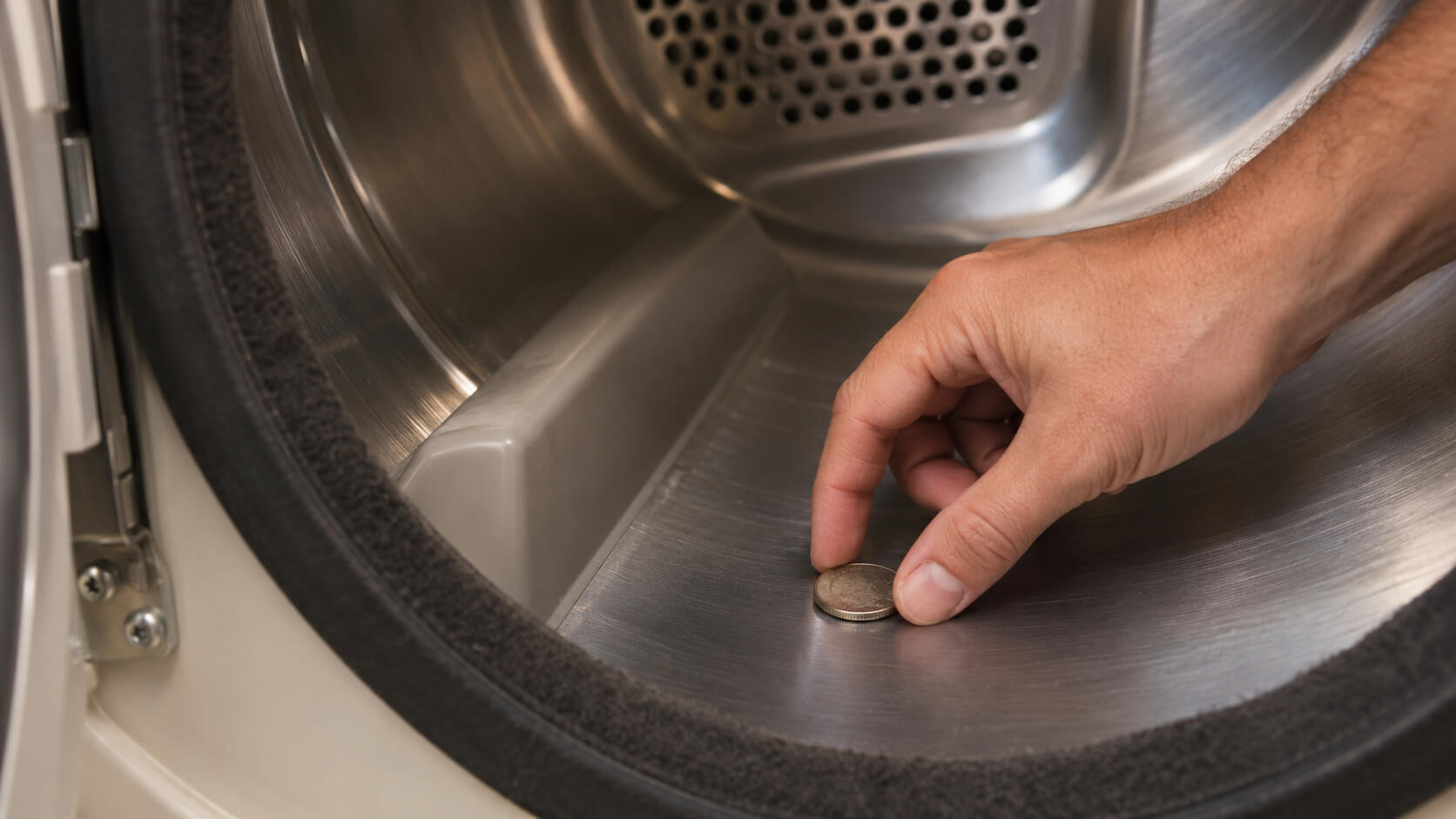
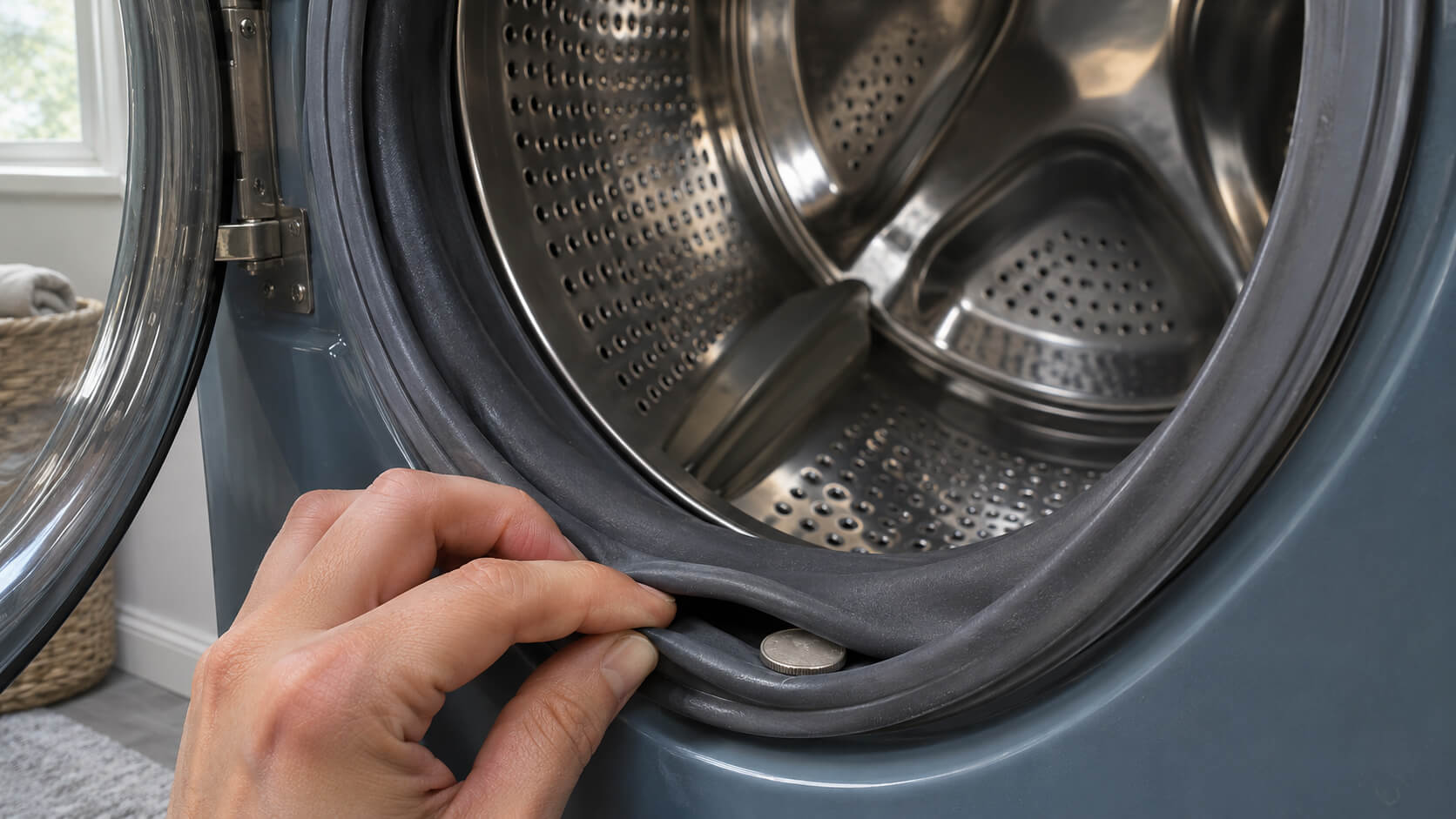
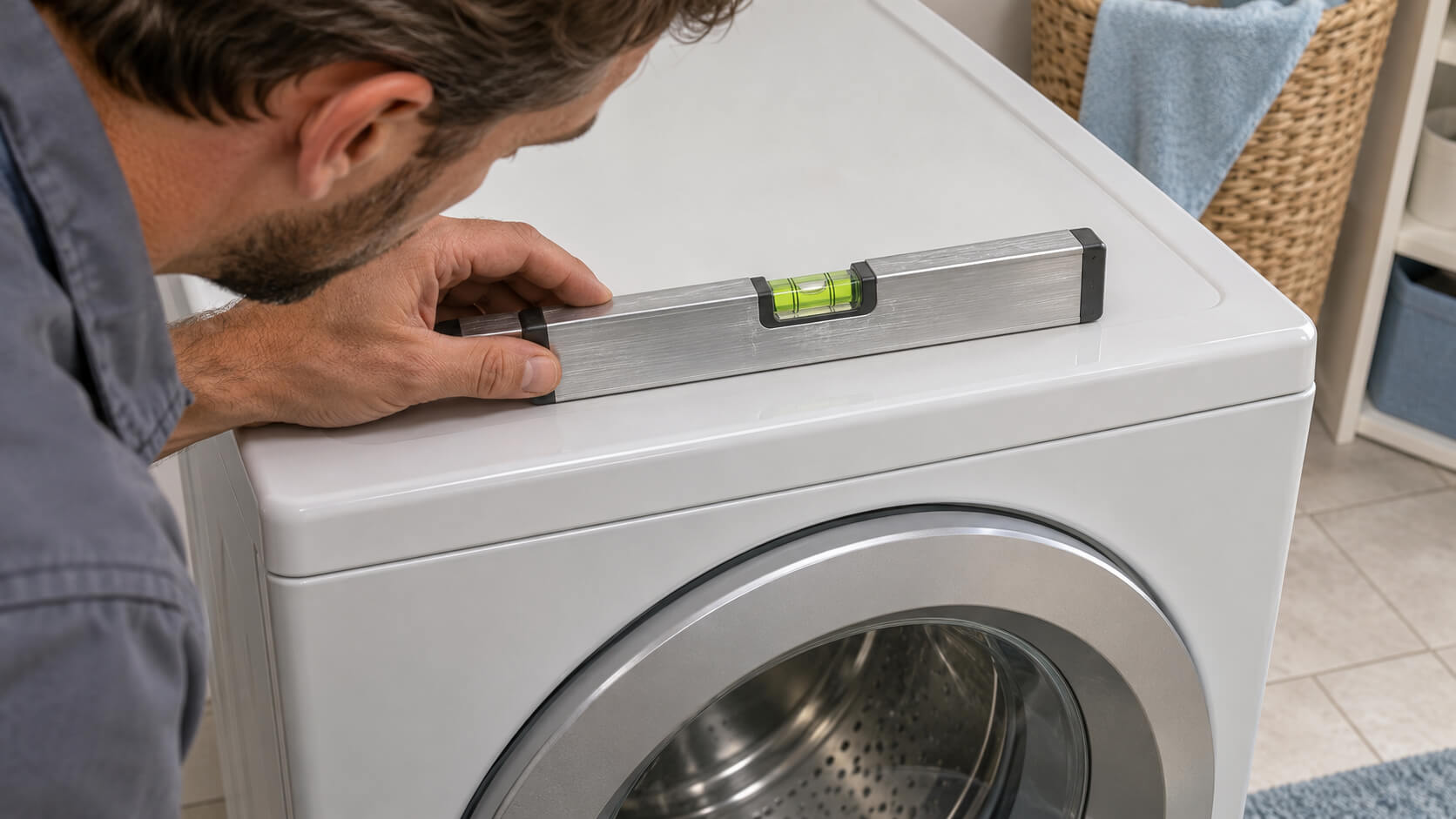
A metallic rattle that starts with a particular load often comes from what’s inside the drum. Coins and keys left in pockets can bounce against the drum and buckles or zippers can tap as a garment tumbles. Large sheets can twist into a heavy bundle that lands with a thump on each turn. Stop the dryer, wait for the drum to stop and empty it before looking for loose items. Check the visible drum edges and around the lint screen for debris you can remove without tools. If an object is trapped behind a drum edge or felt seal, don’t pry it out. Look outside the dryer as well, since a basket resting against the side panel or items in a pedestal drawer can rattle as the cabinet vibrates. With the dryer off, check whether it rocks when you gently press on opposite top corners. If it does, follow the installation guide to check that it’s level and that each foot is in firm contact with the floor. If the noise stops after you clear the loose items or untangle the load, there’s no reason to order a part based on the sound alone.

2. Worn Drum Rollers, Glides or Bearings
Dryers use different parts to support the rotating drum, including rollers, glides, and, on some designs, a rear drum bearing. A worn roller or roller axle can cause a repeating thump or a low rumble. Worn glides, also called drum slides, can cause scraping near the front of the dryer where the drum rides against its support. A worn rear bearing can cause squealing or grinding on models that use one. On some roller-supported models, a light thump after a long period of inactivity can fade within a few minutes as the rollers regain their shape. A loud thump that continues every cycle is different and warrants a closer look. With the dryer unplugged and cool, look for visible rubbing marks or an unusual change in the way the drum sits against the door opening. If you gently turn the empty drum by hand, don’t force it against resistance. Rough movement is worth reporting, but it can’t tell you which support is worn because the assembled drive system can also create drag. Keep the dryer off if the drum visibly sags or scrapes hard and have a technician inspect the supports used in your model.
3. A Worn Drive Belt or Idler Pulley
In a belt-driven dryer, the drive belt transfers power from the motor to the drum. The idler pulley keeps enough tension on the belt for the drum to turn. A frayed or damaged belt can make a repeating noise as it travels around the drive system. A worn or sticking idler pulley can produce a persistent squeal that may be most noticeable as the dryer starts. Neither sound is conclusive because worn drum supports can also squeak or thump. Note whether the sound begins immediately, whether it continues once the drum is turning and whether the drum ever stops mid-cycle. A broken belt can leave the drum stationary, while a belt switch on some models can stop the motor from starting altogether. If the dryer makes noise but won’t tumble, switch it off instead of pressing Start repeatedly. Don’t spray oil through cabinet openings or try to lubricate a belt to stop the noise. A technician can check the belt, pulley, and tension mechanism together so that a worn pulley isn’t missed when a damaged belt is replaced.
4. A Loose or Obstructed Blower Wheel
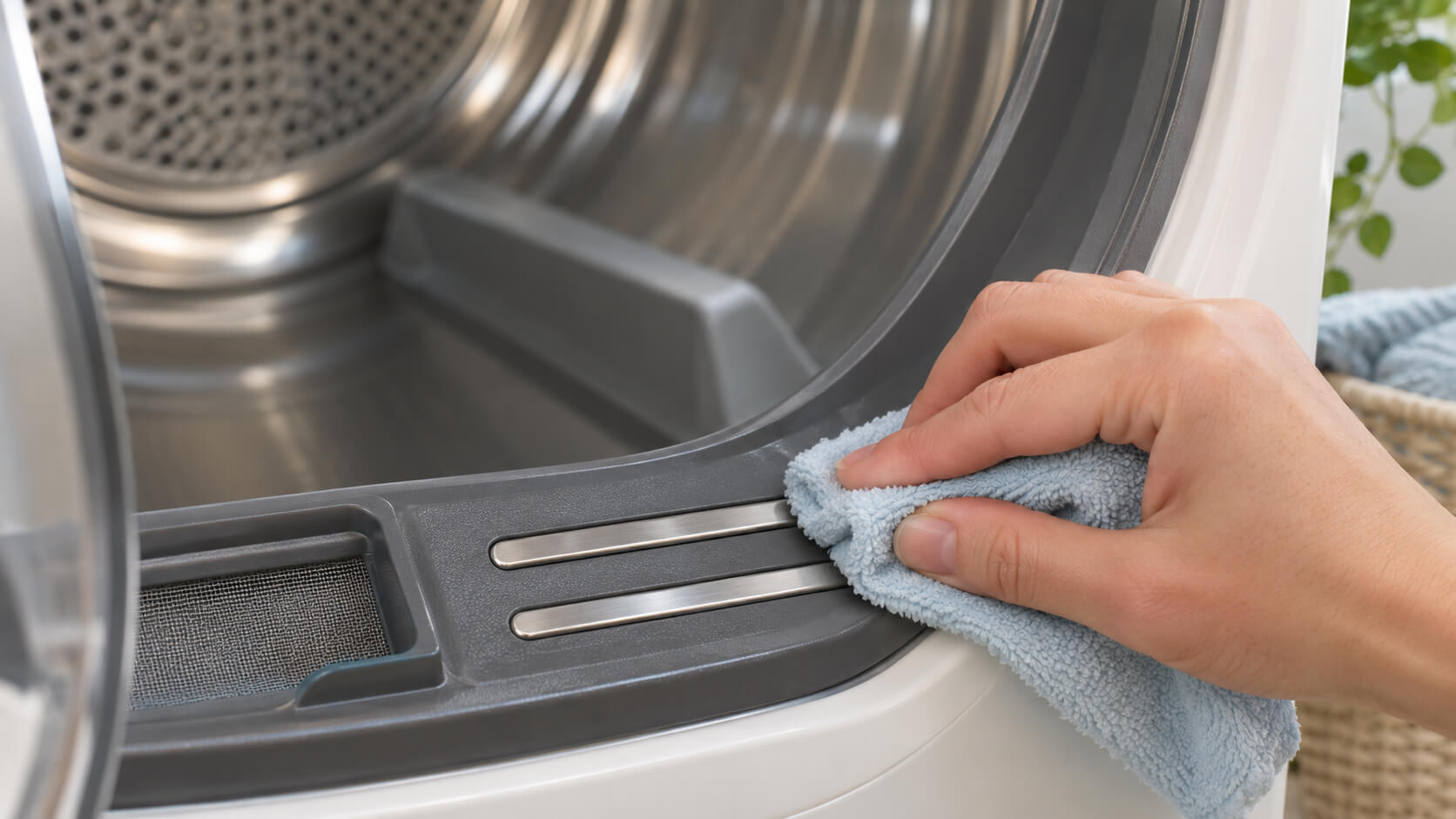
The blower wheel moves air through the dryer and on a vented model it helps push warm, moist air into the exhaust duct. If debris reaches the wheel or the wheel loosens on its shaft, it can rattle, scrape or vibrate while the dryer runs. A rapid rattle near the air outlet is one clue, particularly if clothes have also been taking longer to dry. Slow drying does not prove the blower is faulty, since a clogged lint screen or a restricted exhaust duct can also reduce airflow. Switch off the dryer and let it cool before cleaning the lint screen and putting it back in place. On a vented dryer, look for obvious damage or a crush point in the part of the duct you can see without moving the appliance. Don’t pull out a gas dryer or disconnect a vent to run an airflow test. A ventless dryer doesn’t have an outdoor exhaust duct, so follow its manual for filter and airflow maintenance. If the rattle continues or drying remains unusually slow after the accessible checks, have the blower housing and air path inspected. Don’t run the dryer without its lint screen or reach into the blower to clear an obstruction.
5. A Failing Drive Motor
A drive motor can make a new buzzing, whining or rough humming sound when it struggles to start or run. A brief, familiar hum with normal tumbling is not the same as a loud buzz from a dryer whose drum won’t move. A noisy dryer that slows down or stops partway through a cycle may have a motor problem, but a jammed blower or binding drum can cause similar symptoms. The motor turns the drum and on many models, also drives the blower wheel. That’s why motor and blower noises can seem to come from the same area. If the dryer stops and is able to restart after cooling, report that pattern rather than treating the restart as a fix. If it buzzes without turning, switch it off and don’t try to spin the drum by hand while the dryer is powered. Leave it off if the noise occurs with a burning odor or unusually hot cabinet. Let a technician check the drum, belt and blower for resistance before deciding that the motor needs replacement. Describe when the buzzing starts and whether the drum was moving, since that information can help distinguish a failing motor from a problem it’s trying to drive.
When to Stop Using a Noisy Dryer?
If you find a simple cause such as a loose coin or a basket touching the cabinet, correct it before restarting the dryer. Consider a short monitored cycle only if the original noise was mild and there are no signs of overheating or visible damage. Stay nearby and stop if the noise returns or the drum fails to turn. Don’t run another cycle just to reproduce a grinding sound, a burning smell or a loud hum with a stationary drum. If the dryer has been taking longer to dry clothes, say so when arranging service because airflow and noise may need to be checked together. Record whether the sound starts immediately, occurs once per drum turn, or develops later in the cycle. Note whether it happens with every load or only with bulky items. Include the model number, dryer type and any error code if one is shown. A recording you already have can help, but don’t restart an unsafe dryer to make one. Those details give a technician a better starting point than a guess about which part to replace.