


A dryer can leave marks on clothes when fabric rubs against a worn drum seal, picks up residue inside the drum or gets too hot. Dryer sheets, dye transfer and stains left behind in the wash can also be responsible. Before replacing a part or changing your detergent, look at the mark itself. A black streak along a shirt cuff points to a different problem than a translucent spot on the chest. So does a brown patch with stiff or melted fibers. Check whether the marks appear on one garment, throughout a single load or across several unrelated loads. If the problem repeats and there are no signs of heat damage or snagging, inspect a light-colored item immediately after washing and let it air-dry. Some oil spots are hard to see while the fabric is wet, so this check can reveal a stain that never came from the dryer. If the dryer smells burnt, scorches fabric or catches clothing, stop using it rather than running another load to confirm the problem. Once you know what kind of mark you are dealing with, the next step is much easier to choose.
Why Your Dryer Leaves Black Streaks on Cuffs and Collars?
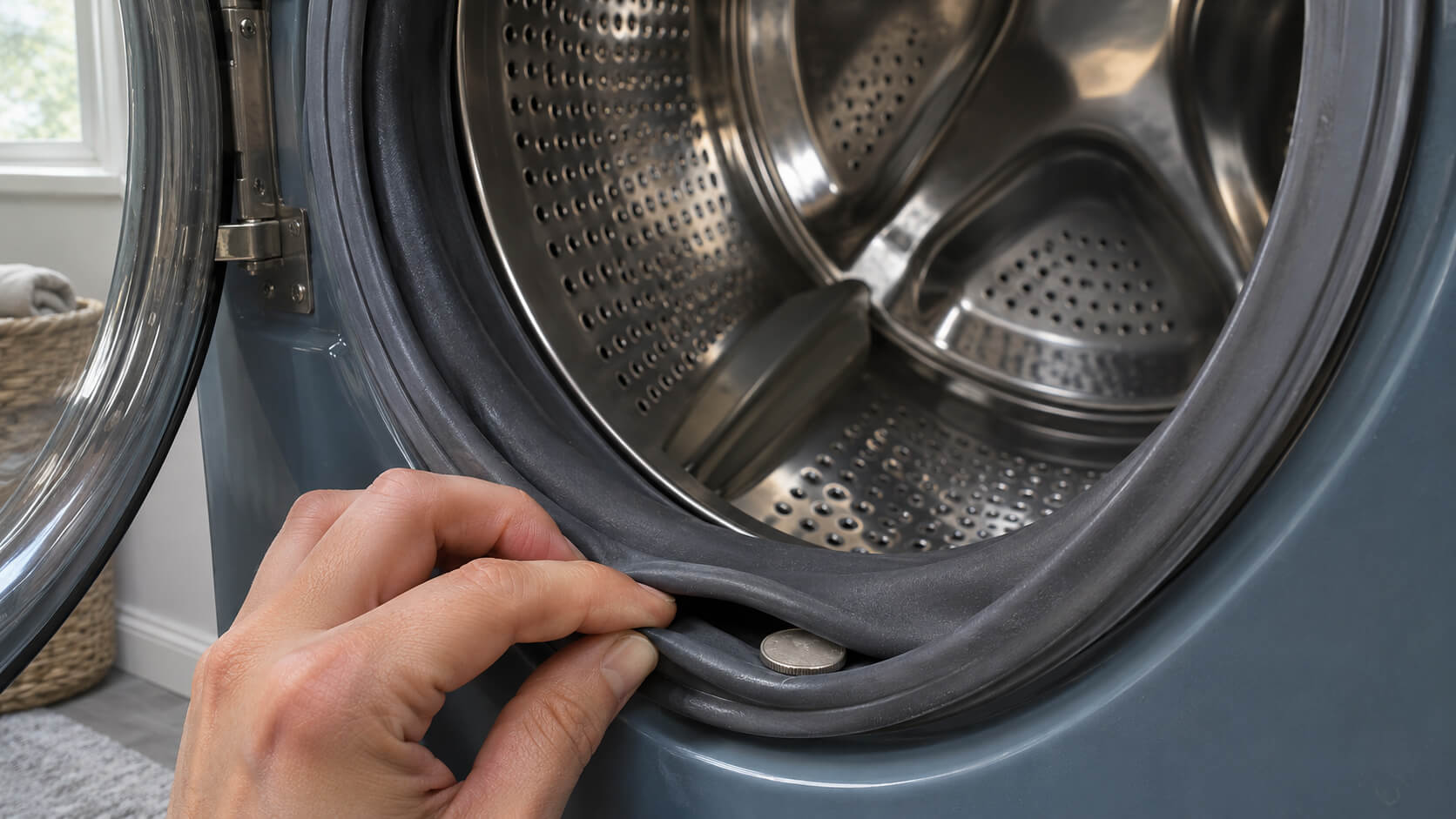
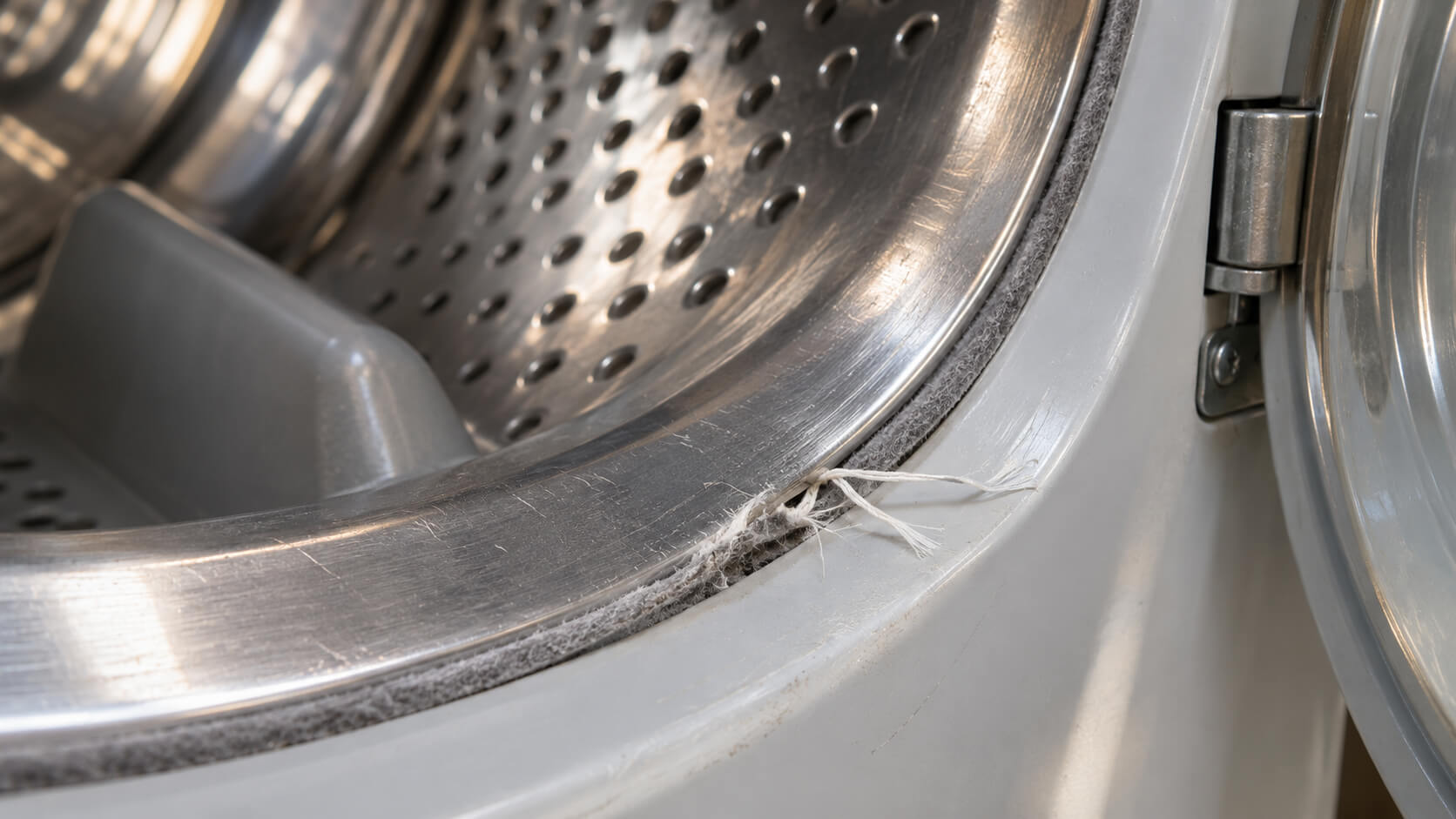
Thin black streaks that keep appearing along cuffs, collars or hems can mean the fabric is getting caught near the edge of the dryer drum. The thick seams in these areas are useful clues because the marks may follow the exact part of the garment that rubbed against the opening. A worn drum glide, sometimes called a drum slide, can let the drum sit unevenly on models that use this type of support. A felt drum seal that is torn, worn or out of position can also leave a gap where fabric can catch. On other designs, worn drum support rollers can contribute to uneven drum movement. Look for pulled threads, frayed edges or small holes next to the black marks. These signs make a contact problem more likely than a fabric softener stain. With the dryer switched off and cool, use a flashlight to look around the visible drum rim and lint filter housing. A gap, a loose strip of felt or snagged threads is worth noting, but an intact-looking rim does not rule out hidden wear. Scraping or thumping during a cycle is another clue to share with a technician, not proof that a specific part has failed. If clothes are getting caught, leave the dryer off until the drum support, seal and nearby contact points can be checked.
Why Dryer Sheets and Fabric Softener Leave Greasy Spots?
Greasy-looking spots after drying do not necessarily mean the dryer is leaking oil. Dryer sheets can leave translucent streaks or blotches, especially when a sheet is added after the load has partly dried. If you use dryer sheets, follow the directions for the sheet and the dryer and add the sheet at the start of the cycle if permitted. Skip the sheet on a steam setting if the dryer manual says not to use one. Liquid fabric softener can leave similar grayish or colored patches if it comes into direct contact with clothes in the washer. Use the designated dispenser and the amount specified on the product label rather than pouring softener onto the load. Food grease, body oils and lotions can also survive a wash and become easier to see once the garment dries. A spot in the same place on one shirt, such as near the neckline, is more consistent with something already on the garment than with a dryer fault. If there are no signs of heat damage or snagging, try washing a small load without either type of softener and check the items before drying them. For a washable garment with a suspected softener spot, pretreat the area with a little liquid laundry detergent if the care label allows, then rewash it. Air-dry the item and check it again before returning it to the dryer.
How Ink, Crayons and Dye Transfer Mark Clean Laundry?
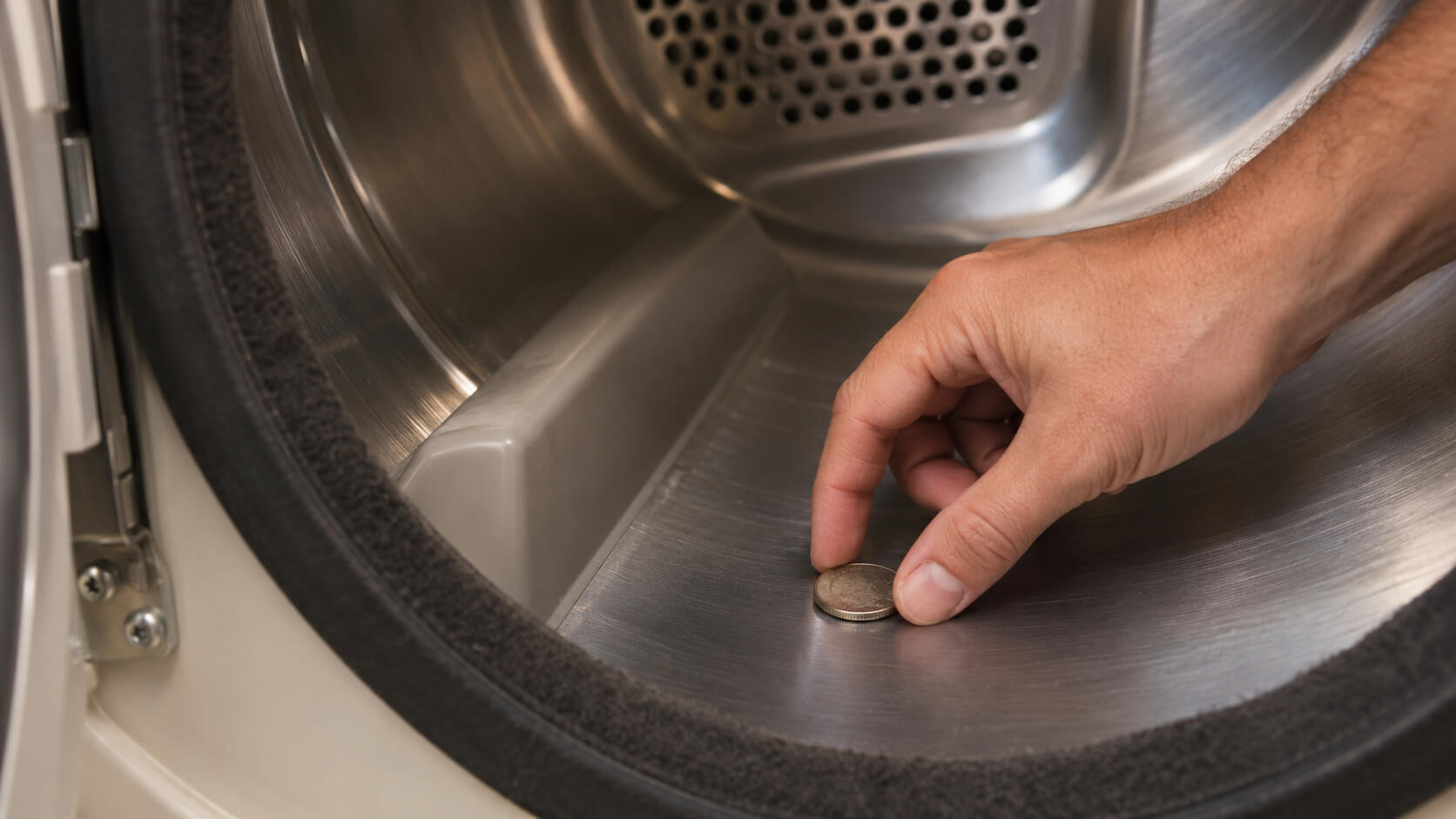
A forgotten pen, crayon or lip balm can leave marks on several items during a single drying cycle. Ink often shows up as irregular lines or blotches, while waxy products can leave smears on both fabric and the dryer drum. An abrupt change from clean loads to several spotted items makes a pocket spill worth investigating. Check the pockets first, then inspect the drum surface, the lifters inside it and the area around the door for residue. If one load was stained and the next load picks up similar marks, residue left inside the dryer becomes a stronger possibility. New dark jeans and brightly colored fabrics can leave a blue or colored tint on the drum itself. A uniform tint that does not rub off is not the same as sticky or transferable residue, so a discolored drum alone does not prove it is staining clothes. If pale garments come out with a blue cast, check whether they were washed or dried with new dark items. Wash new dark garments separately or with similar colors and avoid drying them together with whites. If the drum has visible ink or wax deposits, let the appliance cool, unplug it before cleaning and use the method specified in the dryer manual. Avoid flammable solvents inside the drum and do not run another load until the residue has been removed.
What Rust-Colored Marks and Pale Patches Tell You?
Orange or reddish-brown spots can look like dryer stains, but the color alone does not tell you where they started. Iron in the water supply, rusty plumbing or a corroded surface that touches the laundry can leave rust-colored marks. Look at several light items as soon as they come out of the washer, paying attention to whether the spots are scattered or concentrated around metal fasteners. If the marks show up before the dryer is used, check the washer and water supply first. If they only appear after drying, inspect the visible drum surface and rim for chipped coating or actual corrosion. Rust-like spots elsewhere in the home, such as on sinks or around taps, make the water supply worth investigating. A pale patch on dark clothing suggests a different issue: the fabric may have lost color rather than picked up a stain. Bleach splashes can cause uneven light patches that will not disappear with another wash. Do not use chlorine bleach to treat suspected rust on clothing because it can darken the stain. Use a laundry rust remover only if both the product instructions and the garment care label allow it and never mix it with bleach. If you find a rough, chipped, or rusty surface inside the dryer, have it inspected before it damages more clothes.
When Brown Marks Are Actually Scorch Marks?
A brown stain can be leftover oil or transferred residue, but stiff, brittle or melted fibers are more consistent with heat damage. Synthetic fabrics may look shiny or feel hardened where the fibers have melted. A burnt smell, unusually hot laundry or drying times that have become noticeably longer adds to the concern. A clogged lint filter, a crushed exhaust duct or lint buildup in the vent can restrict airflow in a vented dryer and allow heat to build up. An overloaded drum can also keep garments from tumbling freely and a high-heat setting can damage fabrics that call for low heat. A ventless dryer has a different airflow path, so check its manual for the filter and heat exchanger maintenance that applies to your model. If you find actual scorch marks or notice a burning smell, stop using the dryer and do not run a test cycle on a lower setting. Once the appliance is off and cool, you can check the lint screen and look for an obvious kink in an accessible vent without moving the machine. A clean lint screen does not rule out a blockage farther down the exhaust duct or a fault in the dryer’s temperature controls. Have the dryer inspected before restarting it if it has scorched clothes or produced a persistent burning smell. If there is smoke or fire, leave the area and call emergency services.
How to Clean the Dryer Drum and Prevent New Marks?
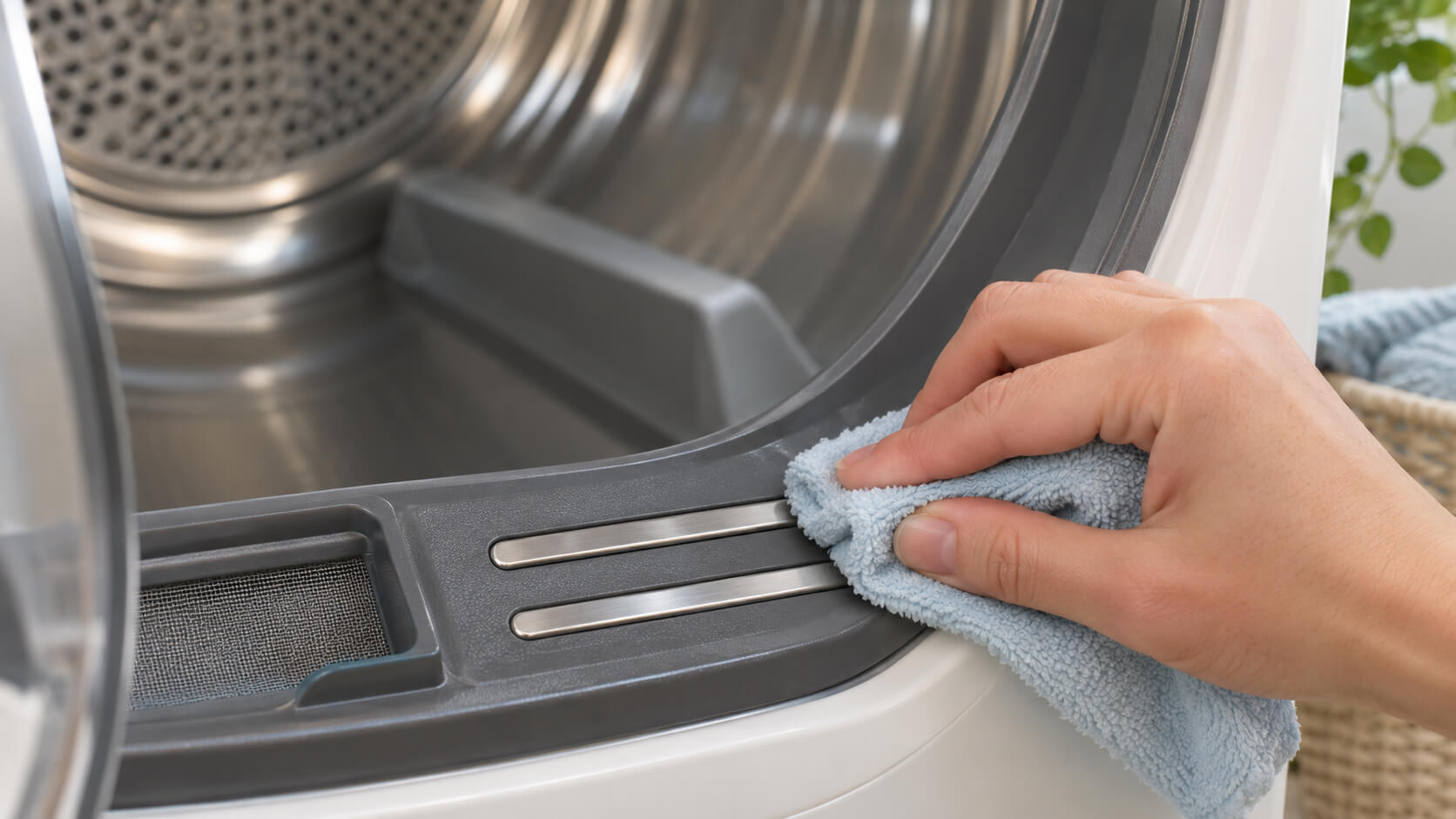
When there are no signs of overheating or fabric catching, start with a simple check for surface residue. After the dryer has cooled and been unplugged, wipe an accessible part of the drum with a clean, damp white cloth. Concentrate on any visible smear rather than pushing the cloth into the gap around the drum. If residue transfers to the cloth, clean the affected area using a nonabrasive method approved in the dryer manual. For ordinary residue, a soft cloth with mild soap and water is suitable if the manual allows it. Wipe away any soap with clean water and dry the surface before using the machine again. If the manual permits a test load after cleaning, use a few clean old towels rather than your usual laundry and only do so when there are no signs of a mechanical or heat problem. Clean the lint screen after each load and follow the maintenance schedule for the exhaust duct or ventless filters. Empty pockets before washing, sort new dark clothes away from light items and leave enough room in the drum for garments to tumble. Match the heat setting to the care labels rather than using high heat for every load. If fresh streaks return despite a clean drum and a load with no dryer sheets, note where they appear and whether any fabric has snagged.
How to Remove Dryer Marks and Know When to Call for Repair?
Treat the mark before putting the garment back in the dryer, since more heat can make some stains harder to remove. For a greasy stain on a washable item, use a liquid laundry detergent or a fabric-safe pretreatment as directed, then rewash it according to the care label. For ink, use a stain treatment labeled for the fabric and test it on a hidden area first. If a white shirt has picked up dye from a dark item, separate it from the suspected garment and rewash it promptly rather than drying it again. Avoid trying several cleaners in succession without rinsing, and never mix cleaning products. Let the garment air-dry so you can judge the result without adding more heat. Unlike removable residue, melted fibers, true scorch damage and areas bleached of their color cannot be restored by washing. If the same black line keeps appearing along seams or clothes come out snagged or torn, the dryer needs a mechanical inspection rather than another round of stain treatment. Take a photo of the mark and note the cycle setting, load size and any noise or odor you noticed. Those details help distinguish a mark caused by contact with a worn part from discoloration caused by heat or residue. A one-off spill often calls for cleaning, but repeated damage in the same place is a reason to stop using the dryer and have it checked.