

A washing machine that stops early can leave you with soaked clothes, standing water and an unfinished load. However, an interrupted wash cycle does not automatically mean an expensive component has failed. Common causes include an unbalanced load, restricted water supply, drainage problems, excessive detergent and an improperly closed door. The point at which the washer stops provides a useful starting clue. A machine that stops while filling needs different checks from one that stops before the final spin. First, note whether the display remains on, whether water is inside the drum and whether an error code appears. Photograph any warning message before switching the appliance off. Check the following areas in order, using your model’s manual for specific instructions. Disconnect power before cleaning accessible filters or disconnecting hoses. If there is smoke, a burning smell, or water near electrical connections, stop troubleshooting and arrange professional help.
1. Determine Whether the Washer Has Stopped or Paused
A temporary pause can look like a washing machine malfunction. Some programmes include periods of soaking or intermittent drum movement. The displayed time is also an estimate rather than a fixed countdown. Load sensing, water temperature, excess foam and balance adjustments can extend the cycle. A timer that stays on the same number briefly does not prove the appliance has failed. Check the programme description to understand what should happen at that stage. Look for a pause indicator or a setting that intentionally holds the laundry in rinse water. If rinse hold is selected, follow the manual to drain the water and finish the programme. Avoid repeatedly cancelling a cycle while the machine is making normal adjustments. If the washer remains inactive beyond the programme’s expected behaviour, continue with the checks below.
2. Check the Power Supply and Control Panel
If the display goes completely dark, investigate the power supply first. Check whether a household power interruption occurred when the washing machine stopped. With dry hands and a dry floor, confirm that the plug is securely connected to the appropriate grounded outlet. Do not operate the washer through an extension cord or a multi-outlet adapter. Inspect the visible power cord for damage without removing any appliance panels. Check the electrical panel for a tripped breaker, following the panel’s safety instructions. A breaker that trips again requires investigation rather than repeated resetting. If the display remains illuminated, record any error code and consult the model-specific troubleshooting guide. A reset may clear a temporary control fault, but the correct procedure varies between machines. If the washer repeatedly powers off after a permitted reset, arrange an electrical or appliance inspection as appropriate.
3. Inspect the Door Latch or Lid Lock
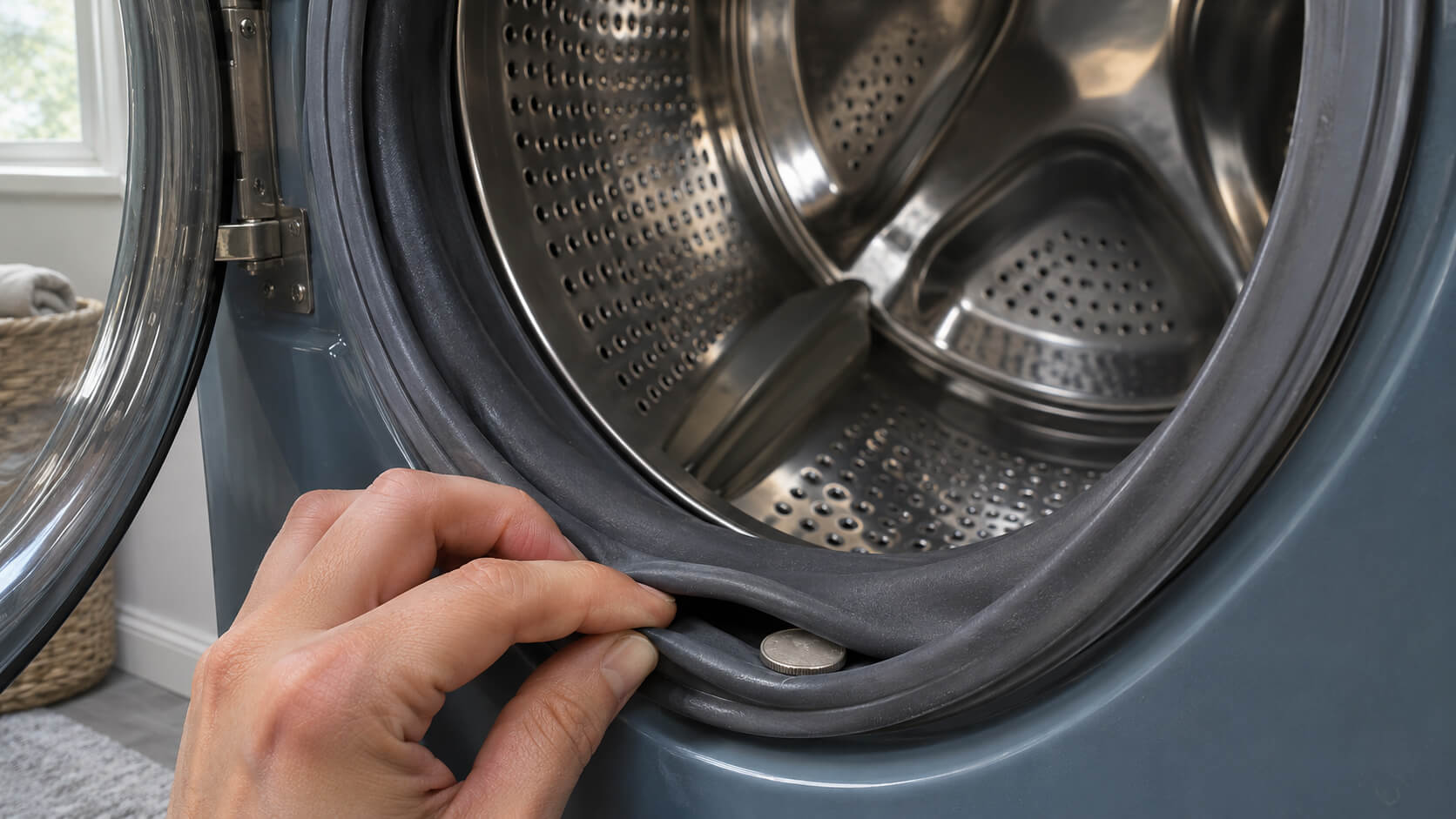
A washing machine may interrupt operation when it cannot confirm that the door or lid is securely closed. This safety system prevents access to a moving drum. Pause the programme and wait for the normal unlocking process before checking the opening. Never force a locked door, particularly when water is visible inside. Look for clothing trapped between the door and its seal. On a top-loading machine, check that no laundry obstructs the lid. Remove visible obstructions and close the door or lid firmly without slamming it. Resume the programme using the control sequence described in the manual. Persistent lock warnings or repeated clicking can indicate a latch, lock, wiring, or control problem. Do not bypass the safety switch or attempt to hold it closed with an object.
4. Check the Water Supply and Inlet Hoses
A washer that stops during filling or rinsing may not be receiving enough water. Confirm that the required water supply taps are fully open. Machines with separate hot and cold connections may require both supplies, even for certain cool programmes. Inspect the inlet hoses for kinks, crushing or sharp bends behind the appliance. A recently moved washer may have a hose trapped against the wall. Weak household water flow can also delay filling or trigger an inlet warning. If the manual permits inlet-screen cleaning, disconnect power and close the supply taps before removing the hoses. Place a container underneath to catch residual water and clean the screens only as instructed. Reconnect the hoses carefully, reopen the taps and check the connections for leaks. If water flow remains restricted despite clear hoses and screens, the inlet valve or another component may need professional testing.
5. Investigate Standing Water and Drainage Problems
Water remaining in the drum when the programme stops makes drainage an important area to check. A washer may prevent high-speed spinning when it cannot remove the wash water. Inspect the external drain hose for kinks or compression. Check whether the connected sink or household drain is backing up. Drain hose height and insertion depth must match the appliance’s installation instructions. Incorrect positioning can interfere with pumping or allow water to siphon out during filling. Some machines have a user-accessible drain pump filter, while others require service access. If yours is accessible, disconnect power, let hot water cool and prepare towels and a shallow container. Follow the emergency-draining instructions before slowly opening the filter, because substantial water may escape. Remove accessible debris, reinstall the filter securely and check for leaks during a supervised test.
6. Redistribute the Laundry and Check Machine Stability
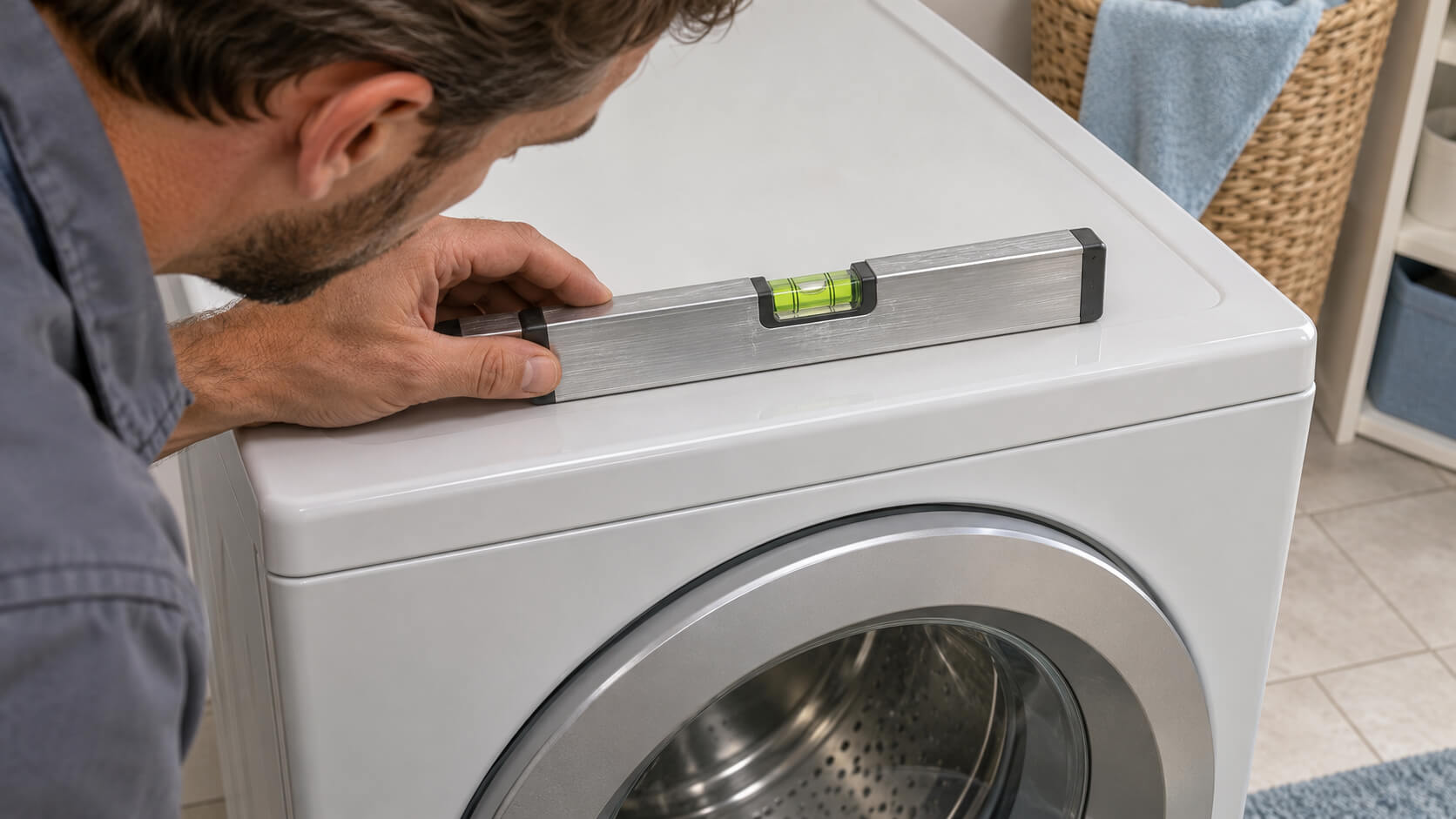
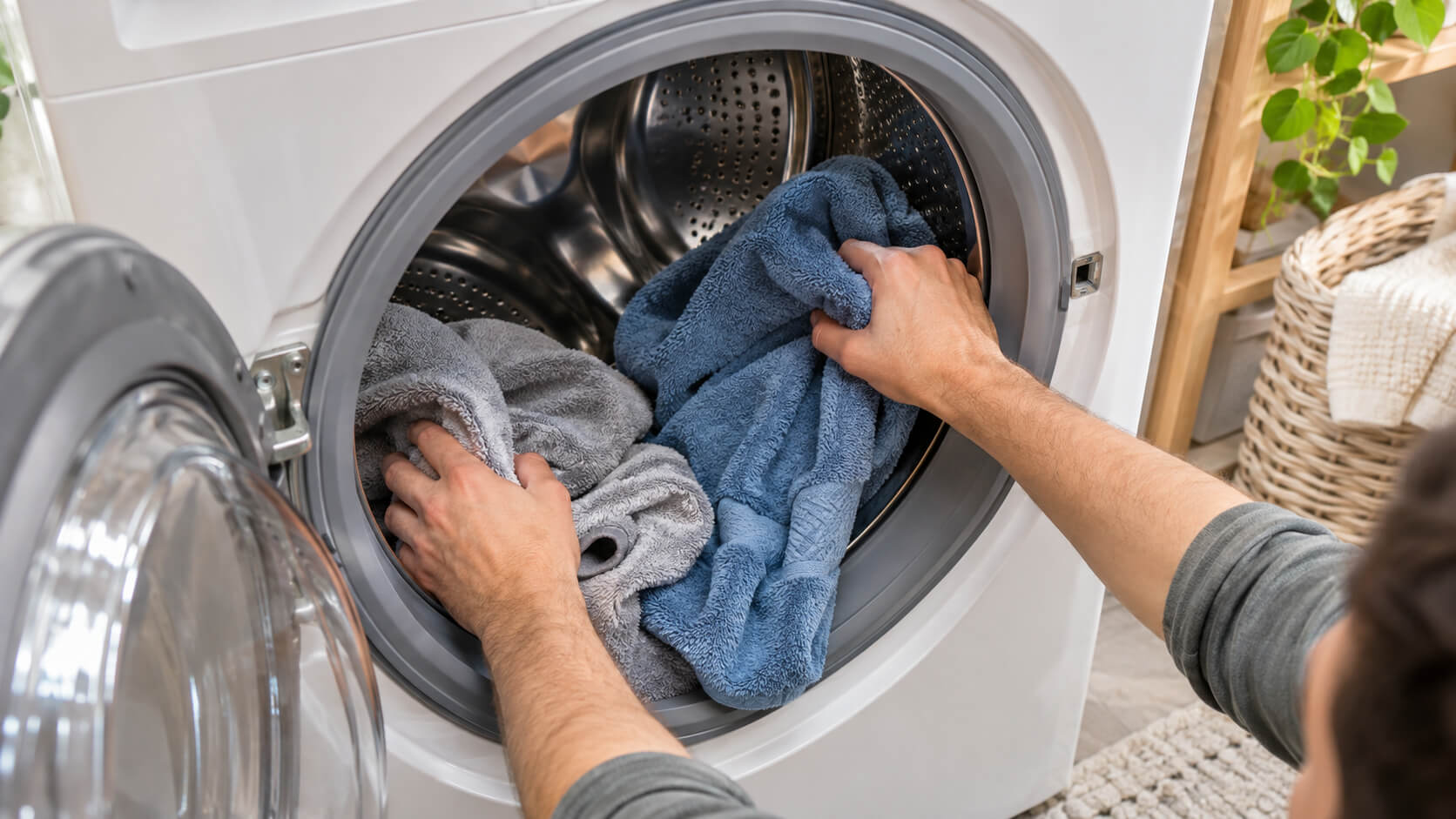
An unbalanced load is a common reason a washing machine stops before completing its spin cycle. Heavy wet items can gather on one side of the drum. The washer may respond by slowing down, adding water or repeatedly attempting to redistribute the load. If these attempts fail, it may stop and display a balance warning. Pause the machine and wait until the drum has stopped and the door unlocks normally. Untangle the laundry and spread it evenly inside the drum. Remove some items if the load is tightly packed or exceeds the programme’s capacity. A single bulky item may need a different programme or loading arrangement, depending on the manual. Also check that the appliance stands level and does not rock on its feet. Once the load is corrected, select an appropriate drain-and-spin programme if the manual allows it.
7. Look for Excessive Suds and Incorrect Detergent Use
Too much detergent can interfere with draining and spinning. Excess foam may also cause additional rinsing, making the machine appear stuck. Look for persistent suds through the door glass or foam remaining after the interrupted cycle. Use the detergent type specified for the appliance, including high-efficiency detergent where required. Measure the dose according to the detergent instructions, load size, soil level, and water hardness. A small load generally does not need the same dose as a heavily soiled full load. Do not add another dose simply because you restart an interrupted programme. If the manual recommends it, run a rinse-and-spin programme without additional detergent to remove residue. Avoid adding improvised chemicals or household mixtures to suppress foam. Adjust future dosing if oversudsing repeatedly interrupts the wash cycle.
8. Run a Controlled Test and Recognize When Repair Is Needed
After correcting a visible problem, run a supervised test programme recommended in the manual. An empty rinse-and-spin cycle can help check basic filling, draining and spinning. Watch for leaks, unusual sounds, warning messages and the point at which operation stops. Successful completion shows that those functions worked during the test, but it does not rule out every fault. If the original problem occurs only with laundry, review load size, fabric distribution and programme selection again. If it happens only on a heated programme, record that detail for the technician rather than assuming the heater has failed. Repeated stopping at the same stage can require checks of the pump, lock, sensors, motor system, heater circuit or controls. An error code identifies a condition to investigate and does not always identify the part that needs replacement. Provide the model number, error-code photograph, stopping stage and results of your checks when arranging service. Stop using the machine if it develops significant leakage, repeated breaker trips, grinding noises or a burning smell.